
History
Back in the early 2010s, Android’s biggest selling point for enthusiasts was freedom. Unlike iOS, Android devices could be rooted, unlocked, and flashed with custom ROMs like CyanogenMod, LineageOS, Resurrection Remix, or Pixel Experience.
These ROMs promised a better experience than stock firmware: faster updates, customization, and sometimes even longer device lifespans.
Fast forward to 2025—and the scene looks very different. Enthusiast forums are quiet, device maintainers are scarce, and official ROM projects have dwindled. So, what happened?
1. The Golden Age of Custom ROMs
From 2010 to 2016, custom ROMs thrived:
- CyanogenMod was installed on millions of devices before morphing into LineageOS.
- Developers could unlock bootloaders on most Android phones with little resistance.
- Manufacturers were slow with updates, and custom ROMs often delivered new Android versions long before official releases.
- Features like theming, advanced privacy controls, and gesture navigation first appeared in ROMs before being adopted by Google.
For many users, flashing a custom ROM was a rite of passage into Android fandom.
2. Why Did People Use Custom ROMs?
The motivation was clear:
- Faster Updates: Stock devices lagged months (or years) behind on Android versions.
- Customization: Themes, kernels, and tweaks unlocked levels of personalization unmatched by iOS.
- Bloatware Removal: Custom ROMs stripped out carrier and OEM junk.
- Longevity: Devices abandoned by OEMs could still get updates for years.
Custom ROMs were more than software—they were a movement of user empowerment.
3. The Decline of Custom ROMs
Several key shifts began eroding the ROM ecosystem:
Google’s Pace Improved
With Project Treble (2017) and Mainline updates (2019), Android became modular. Security patches and core updates no longer required full OS overhauls. Stock phones started receiving faster, more reliable updates.OEMs Got Better at Software
Companies like Samsung, OnePlus, and Xiaomi improved update policies. Even budget phones now receive 3–5 years of updates, once unthinkable in the early Android era.Hardware Lockdown
Bootloaders are harder to unlock, with some OEMs outright banning it. SafetyNet and later Play Integrity API made banking and payment apps refuse to run on rooted/modified devices.Google Integrated Custom ROM Features
Features once unique to custom ROMs—dark mode, granular privacy controls, gesture navigation, battery optimizations—are now native to Android.Smaller Developer Base
Flashing ROMs requires skill, time, and device-specific knowledge. As Android became more user-friendly and less fragmented, fewer enthusiasts felt the need to contribute.
4. Why Custom ROMs Are Dead in 2025
By 2025, the factors above solidified into reality:
- Stock Android is “good enough” for most users.
- ROM communities shrank, and even LineageOS struggles to maintain support across newer devices.
- Security barriers like Verified Boot, Play Integrity, and stronger hardware-backed encryption make it nearly impossible to flash without breaking key functionality.
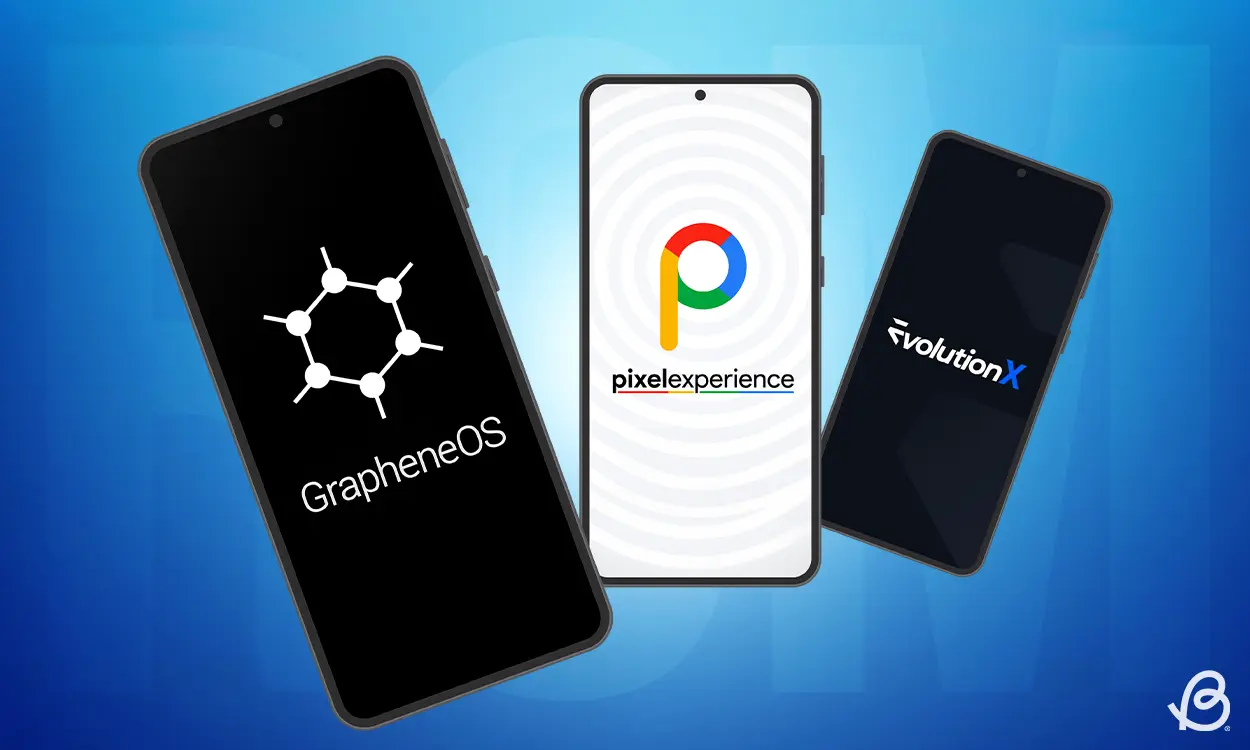
- Alternative ecosystems—like GrapheneOS for privacy-first users—remain, but they are niche rather than mainstream.
The culture of “flashing every weekend” is gone. Today, most Android users never even hear the word bootloader.
5. What’s Left of the Scene?
While mainstream custom ROM development has collapsed, a few niches survive:
- Privacy/De-Googled ROMs: GrapheneOS, CalyxOS, and /e/OS cater to those seeking a Google-free Android.
- Legacy Device Support: Enthusiasts keep older devices alive, but only as a hobbyist pursuit.
- Experimental ROMs: A few developers still push experimental kernels and mods for fun, not mass adoption.
These projects are important, but they don’t carry the same cultural weight that CyanogenMod once did.
6. The Legacy of Custom ROMs
Even though the custom ROM scene is “dead,” its influence lives on:
- Android today is more customizable because ROMs proved people wanted it.
- OEMs improved updates in response to competition.
- Developers trained in ROM projects went on to work at Google, OEMs, and big tech companies.
Custom ROMs shaped Android’s DNA, even if the ecosystem that birthed them has faded away.